Annual Meeting of the Ophthalmic Oncology Group

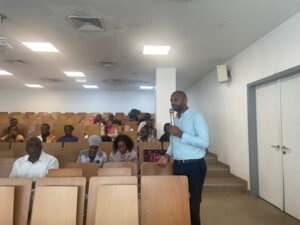
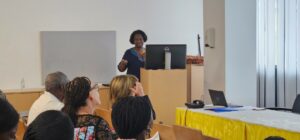
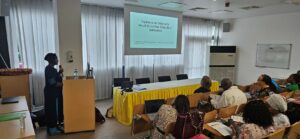
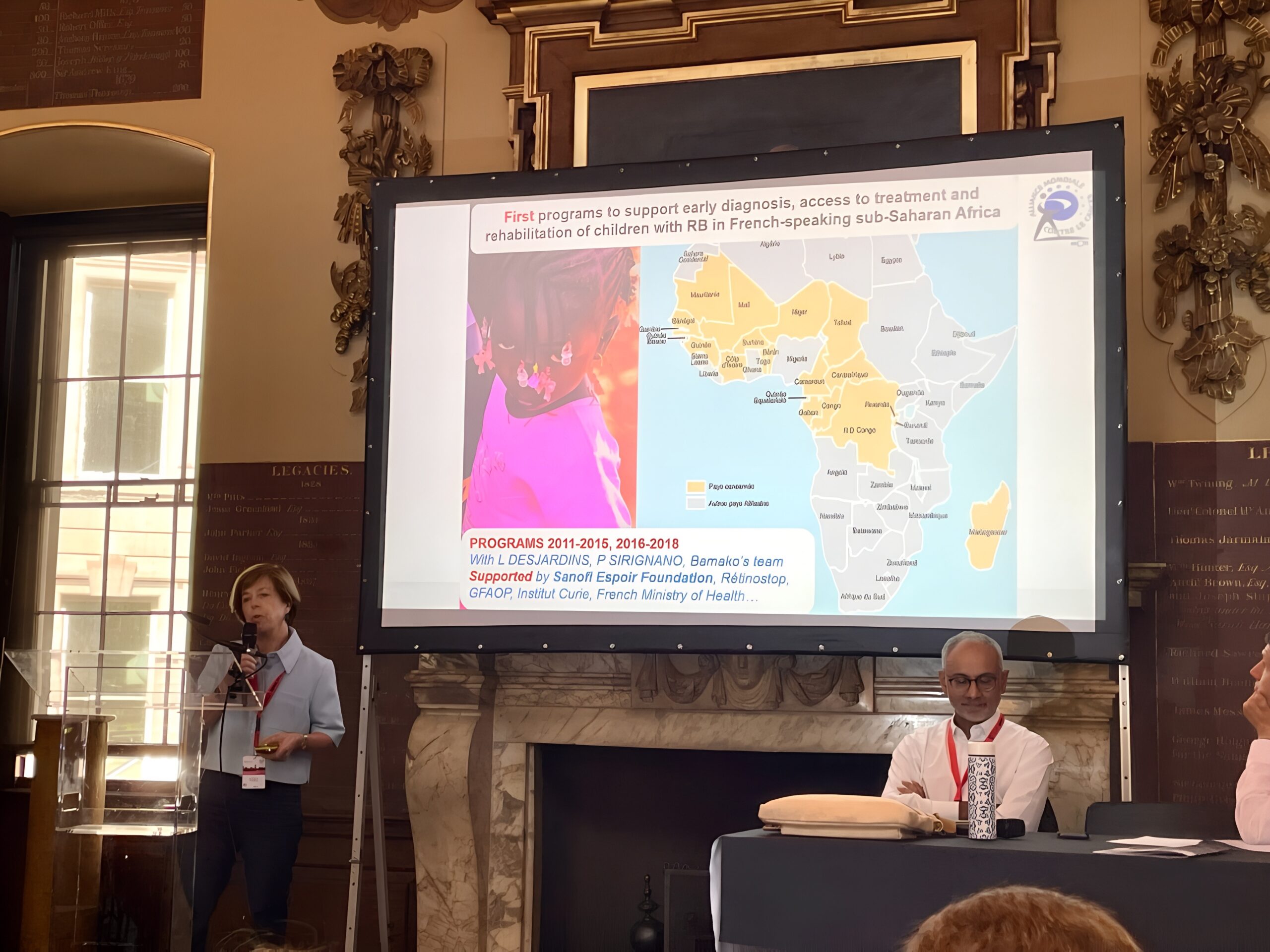
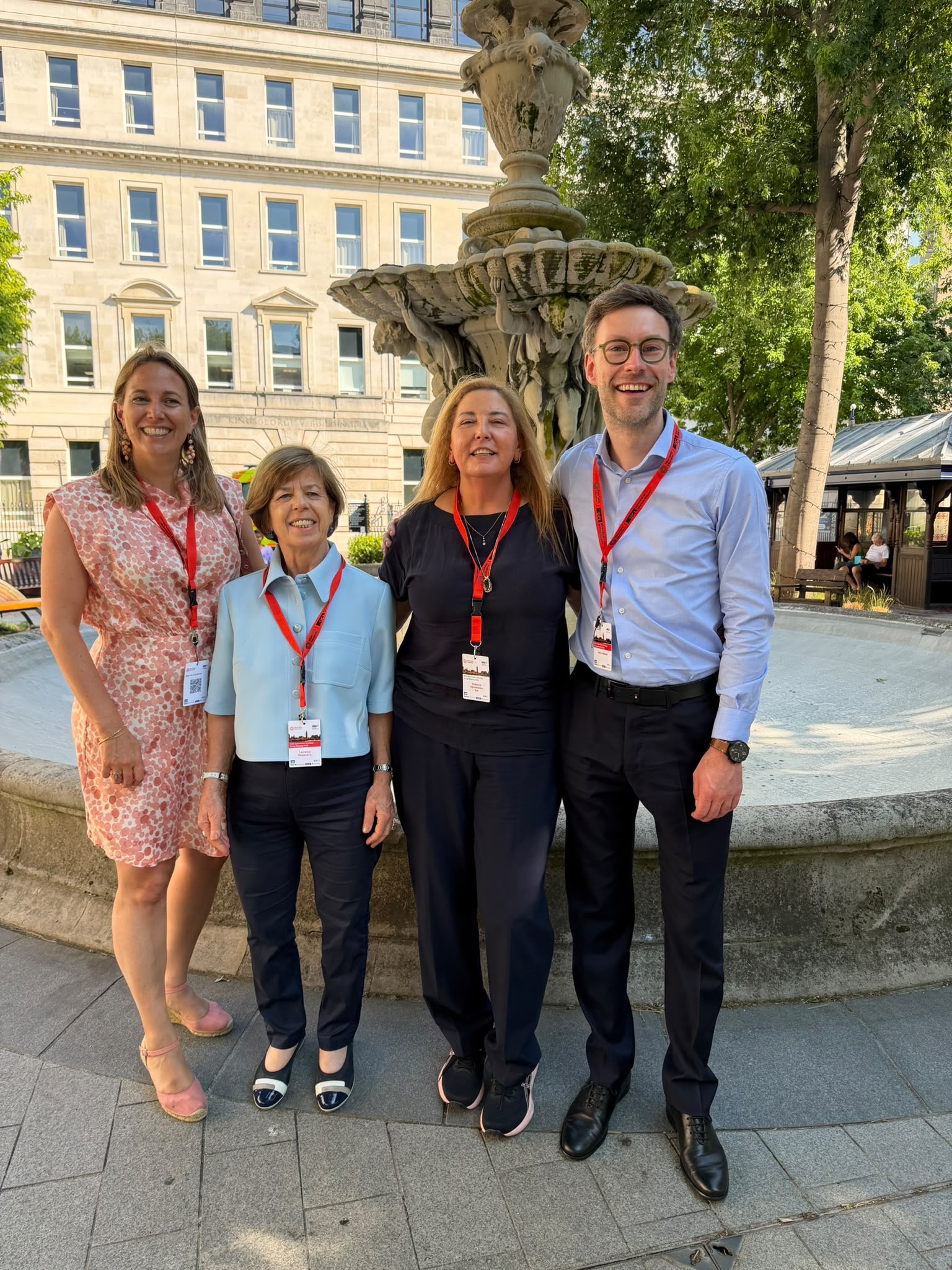
On July 4, 2026, the Retinoblastoma Program of the Alliance Mondiale Contre le Cancer (AMCC) was presented at the annual meeting of the Ophthalmic Oncology Group (OOG), which brought together the international ophthalmic oncology community in the main hall of the north wing of St. Bartholomew’s Hospital, London’s oldest hospital.

Since part of Saturday morning was devoted to retinoblastoma, Dr. Laurence Desjardins delivered the presentation: a five-minute talk followed by a three-minute Q&A session. The AMCC’s initiatives were warmly welcomed by the participants.

Founded on May 27, 1992, the Ophthalmic Oncology Group was originally a dedicated branch of the European Organization for Research and Treatment of Cancer (EORTC). Dr. Desjardins, who served as its president, had filed the association’s articles of incorporation with the Paris Prefecture.

Its members explore a wide range of topics in ophthalmic oncology and related fields, with the primary objective of researching and treating tumors affecting the eye, its adnexa, the conjunctiva, and the orbit. Since its inception, the OOG has been responsible for numerous publications and European collaborations. It is within this circle of experts that the work carried out by the AMCC in sub-Saharan Africa has been particularly well received.

Retinoblastoma is the most common eye cancer in children. When detected early, it is curable in the vast majority of cases. When diagnosed late—a situation that is still common in low-resource countries—it remains a major cause of childhood mortality. It is precisely this gap that the AMCC program aims to bridge.

The initiative began in 2011 with the first programs to support early diagnosis, access to treatment, and rehabilitation for children with retinoblastoma in French-speaking sub-Saharan Africa. The pilot project conducted in Mali, at Gabriel Touré Hospital and the African Institute of Tropical Ophthalmology (Bamako), served as proof of concept, published by Traoré and colleagues in *Pediatric Blood Cancer* in 2018.

Starting in 2019, a second program expanded the initiative to all French-speaking sub-Saharan countries, as well as to some English- and Portuguese-speaking countries—covering a population of over 600 million people and approximately 1,400 new cases per year.

By 2026, the network will reach an unprecedented scale:

  • 32 multidisciplinary teams supported in 23 countries
  • An interactive map of the teams available on our website
  • A clear goal: a 70% ten-year cure rate

The program’s strength lies in its comprehensive nature. It is not limited to a single medical intervention but, country by country, builds the conditions for comprehensive and sustainable care:

  • Training for healthcare professionals: ophthalmologists, pathologists, and ocularists;
  • Equipment for diagnosis, conservative treatment, and prosthesis fabrication;
  • Early-diagnosis campaigns targeting healthcare professionals and parents (in collaboration with Know The Glow);
  • Multidisciplinary teams: ophthalmologists, pediatric oncologists, anesthesiologists, and treatment recommendations aligned with the GFAOP;
  • A shared database for case registration;
  • Support for families, including financial assistance for parents of children with curable retinoblastoma, as well as specific support regarding acceptance of enucleation and rehabilitation through prosthetics.

In terms of treatment, teams have access to conservative treatment techniques, examination under anesthesia, diode laser thermotherapy, cryotherapy, and intravenous and intravitreal chemotherapy (melphalan, topotecan) adapted to local contexts.

Over the past fifteen years, tangible progress has been made, although it remains uneven across countries. Diagnosis is occurring earlier and earlier. Every country now aims to have at least one trained team and one multidisciplinary team. The involvement of public authorities is increasing, and support mechanisms for families—whether public or driven by private initiatives—are beginning to emerge. Significant challenges remain in the poorest countries, particularly regarding the cost of treatment and follow-up care, but momentum is building.

These results are the product of a collective effort. We would like to thank all of our partners: GFAOP, the Institut Curie, the Sanofi Espoir Foundation, Rétinostop, Myriad-USA, the Familial Swiss Foundation, the ASLAN Project, SIOP Africa, the WCC, the World Health Organization, the French Ministry of Health, and the ophthalmology societies.

The presentation in London on July 4, 2026, will be remembered as a moment of international recognition for a program that, for more than a decade, has been working to offer children in sub-Saharan Africa the same chances of recovery as elsewhere.
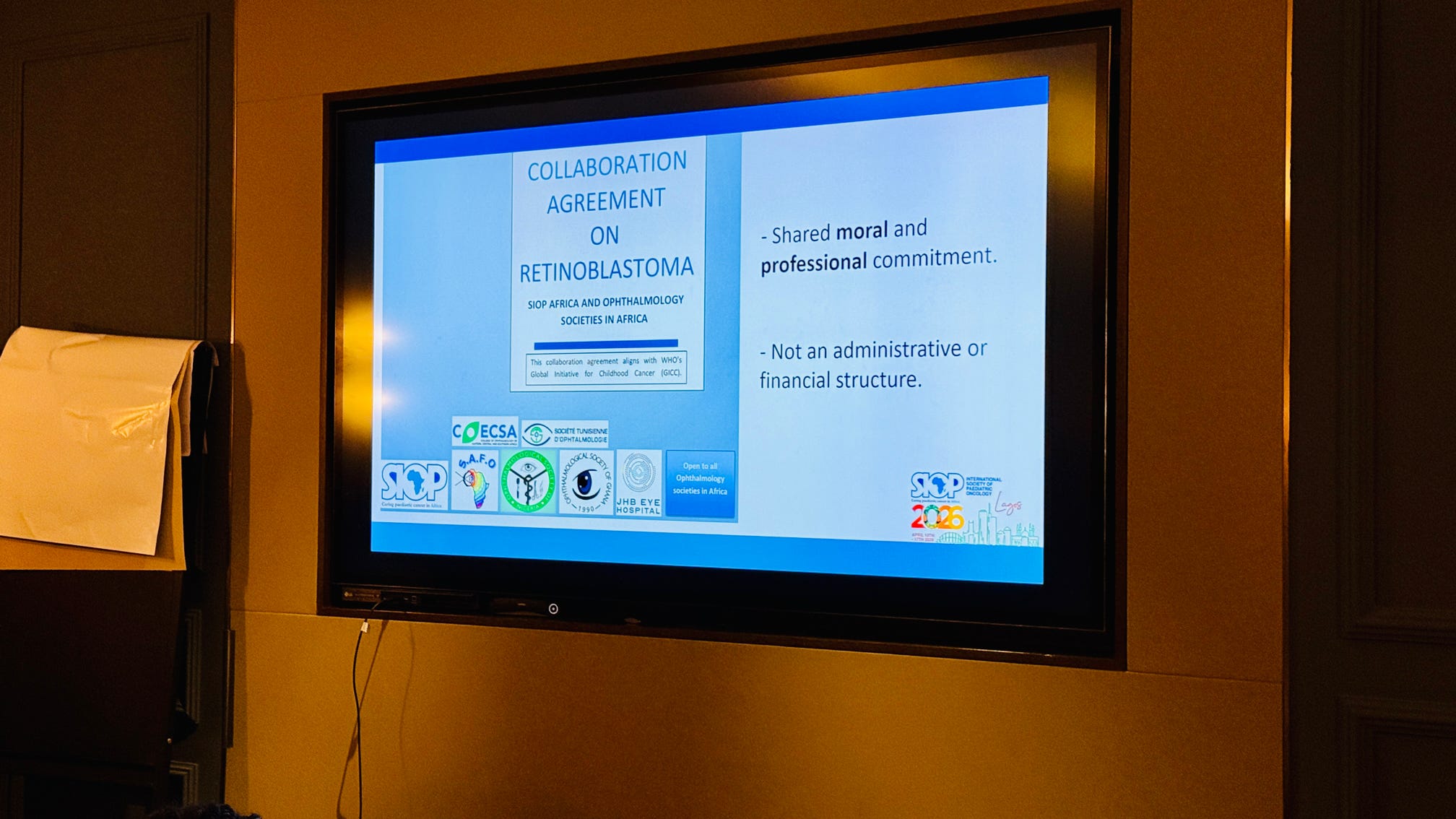
Retinoblastoma: a landmark agreement between SIOP Africa and ophthalmology societies, supported by the AMCC

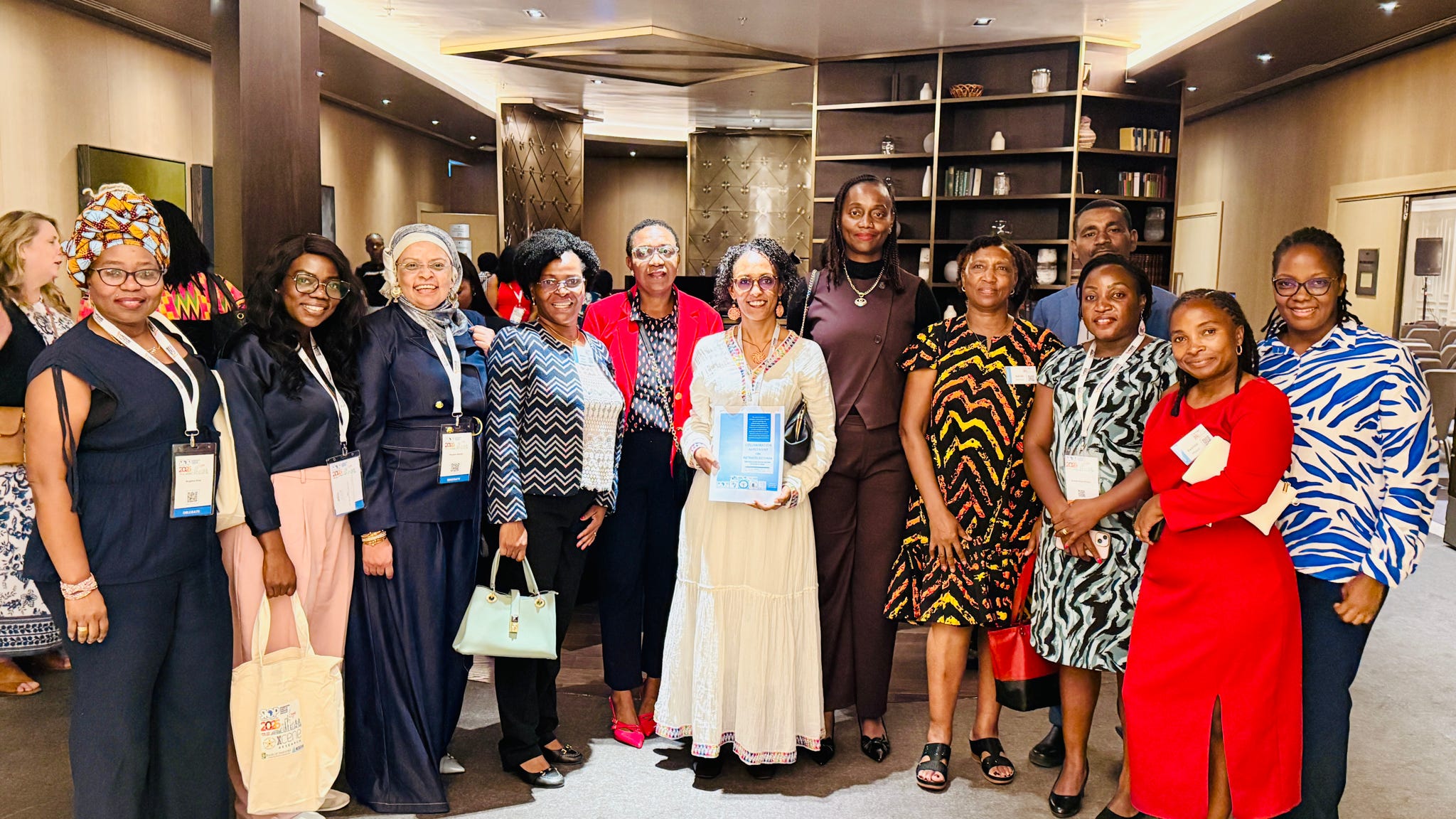
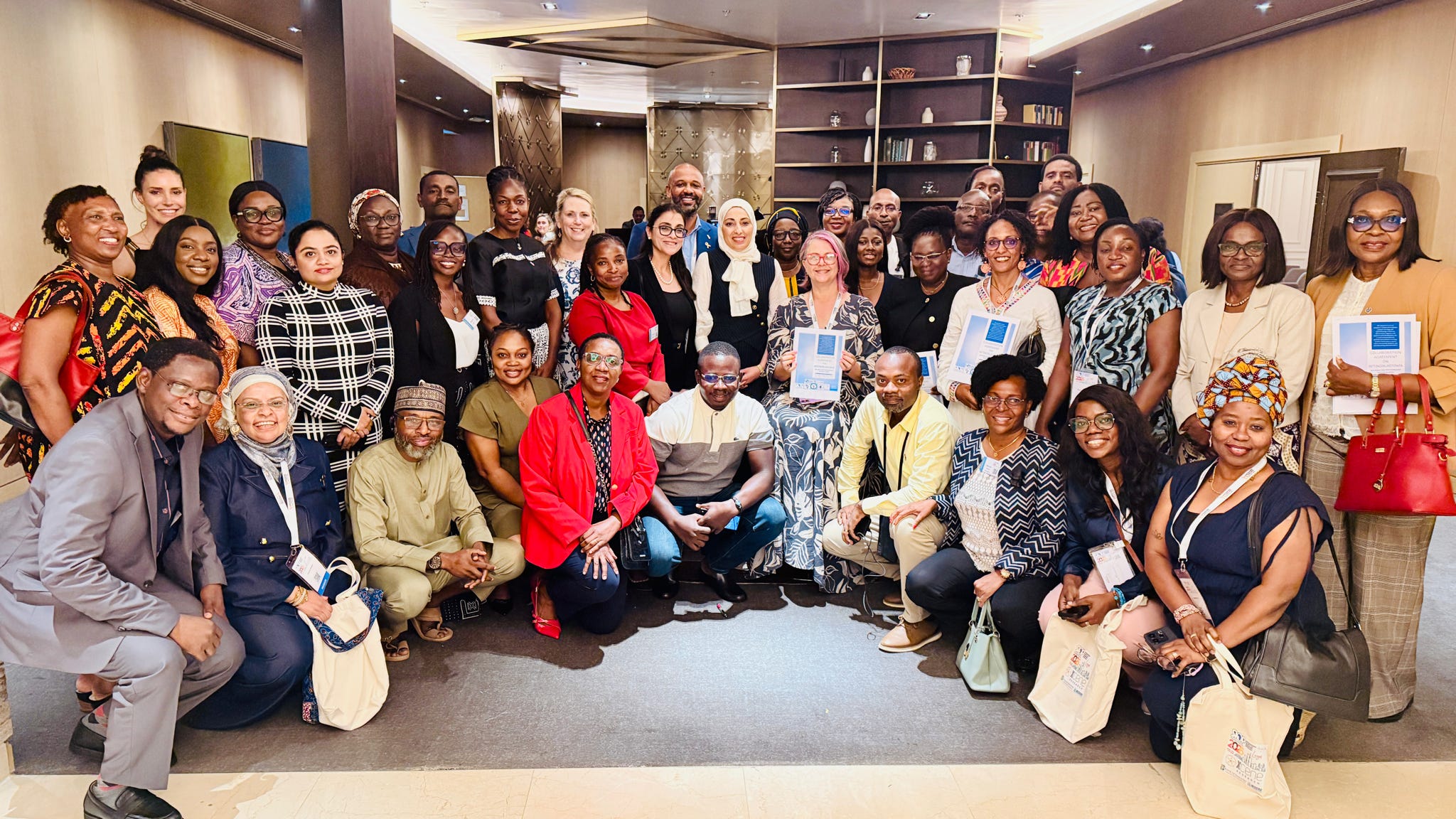
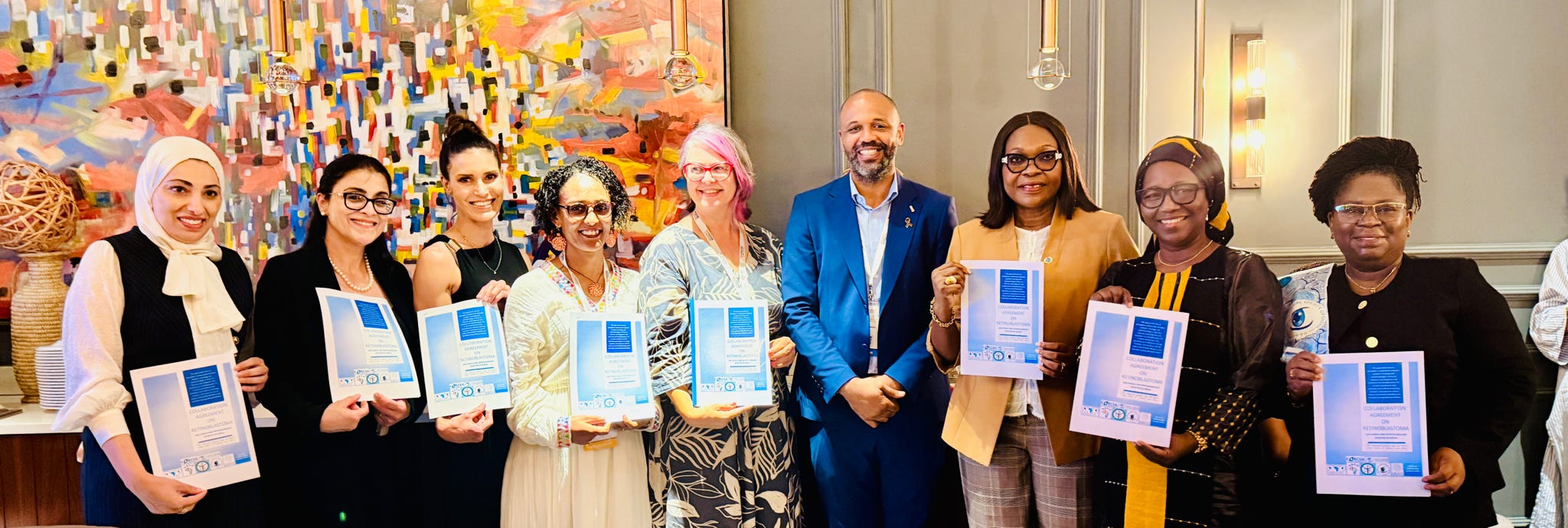
As part of its advocacy work in the fight against retinoblastoma, the Alliance Mondiale Contre le Cancer (AMCC) is delighted to have supported the signing of a collaboration agreement between SIOP Africa and the ophthalmology learned societies representing 27 African countries, during the 16th Biennial Congress of the International Society for Paediatric Oncology Africa (SIOP Africa), held from 13 to 17 April 2026 in Lagos, Nigeria.

Held under the theme ‘Building collaborative networks for paediatric oncology across Africa’, the Lagos congress brought together clinicians, researchers, decision-makers, survivors and partners from across the continent and beyond. The signing of this agreement is a concrete illustration of its ambition: to make collaboration across disciplines, institutions and borders the driving force behind progress for Africa’s children. The involvement of ophthalmologists is indeed essential, both for the diagnosis and treatment of retinoblastoma. It is all the more crucial as early diagnosis – the frequency of which is constantly increasing – becomes more widespread.
This agreement marks a significant step forward in strengthening collaboration between specialists in ophthalmology and paediatric oncology in Africa, with a view to accelerating the implementation of the World Health Organisation’s Global Initiative for Childhood Cancer (GICC).

Launched in 2018, the GICC aims to increase the survival rate of children with cancer worldwide to at least 60 per cent by 2030. It focuses on six priority ‘sentinel’ cancers that are highly curable, including retinoblastoma. Its inclusion is no coincidence: it was selected precisely because it requires close collaboration between ophthalmologists and oncologists to ensure early diagnosis. If detected in time, it can save the child’s life and, in many cases, preserve their eye and vision. Whilst retinoblastoma is curable in almost all cases in high-income countries, survival rates remain very uneven in Africa, where late diagnosis is still common. It is this gap that the strengthened cooperation between the two specialities aims to bridge.

The AMCC commends the leadership and commitment of all the partners who have contributed to this major breakthrough for every child with retinoblastoma in Africa. This agreement builds on the work carried out by the AMCC since 2011, which currently supports 32 multidisciplinary teams in 23 countries, with a target of a 70 per cent ten-year cure rate. By bringing together, on a sustainable basis, the two specialities essential to the management of retinoblastoma, this collaboration lays another brick in the construction of an African network capable of offering every child the same chances of recovery, wherever they are born.

AMCC News December 2025

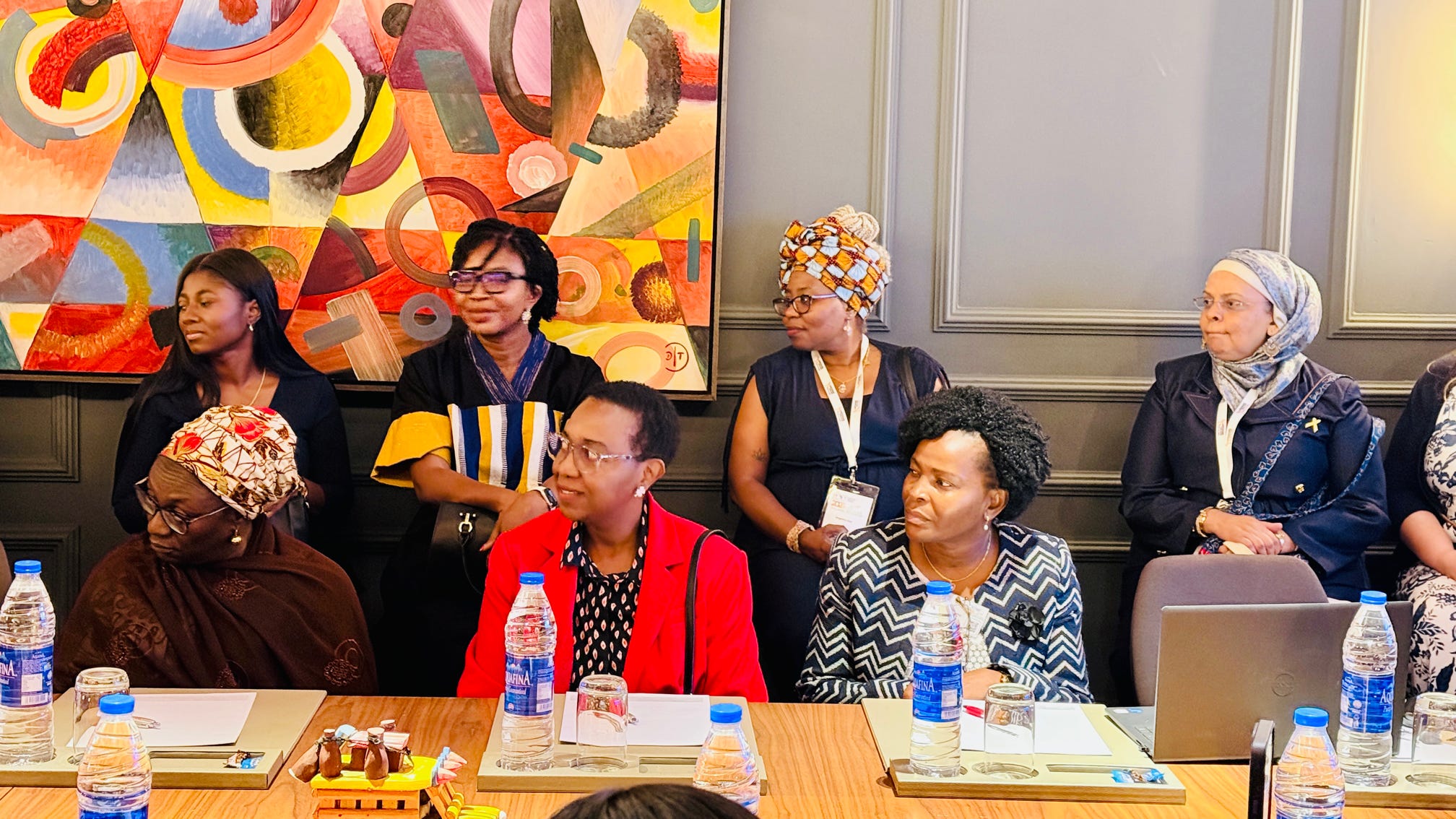
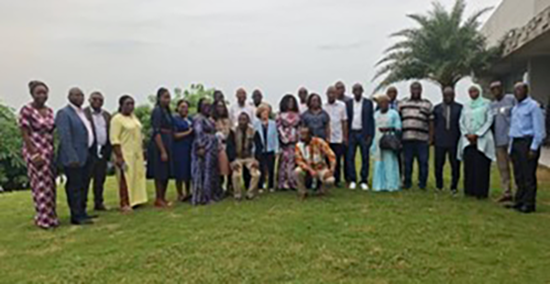
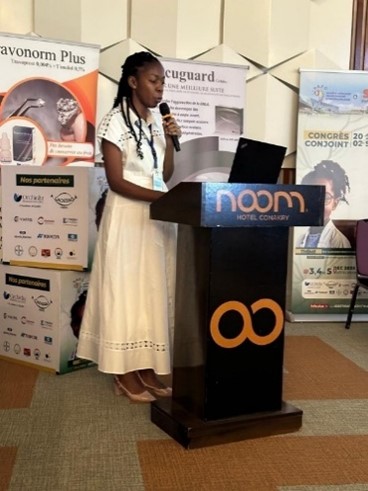
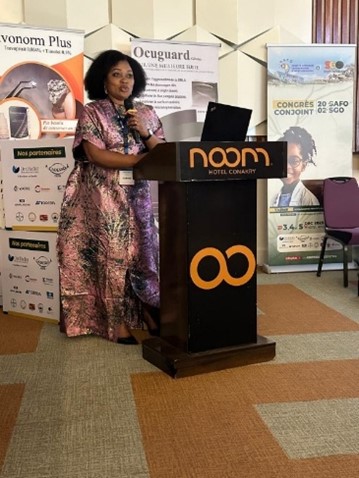
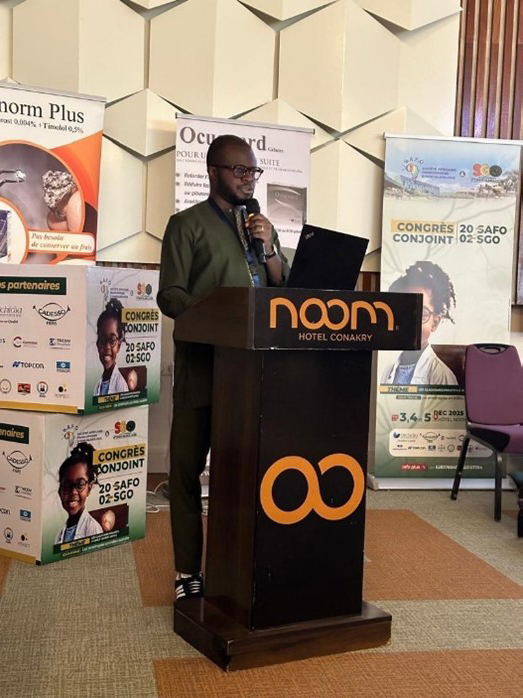
On December 2, 2025, the meeting of the French-speaking GCCA teams for the retinoblastoma program was held in Conakry, Guinea, the day before the start of the annual meeting of the African Francophone Ophthalmology Society (SAFO).

Representatives from 12 French-speaking African countries were present:
- AMCC (2): Laurence Desjardins, Karim Assani
- Ophthalmologists (23): Martial (Porto Novo), Sembela (Pointe Noire), Eric (Ndjamena), Nelly (Maroua), Caroline (Yaoundé), Elvis (Douala), Elien (Bangui), Rokia, Sandrine, and Noelle (Abidjan), Fatou and Aïchata (Bamako), Adam (Niamey), Jenny and Moïse (Kinshasa), Sandra, Junior, and Daudet (Lubumbashi), Joseph and Raihanatou (Dakar), Amouzou (Lomé), Camara and Thierno (Conakry).
- Pediatric oncologists (3): Fousseyni (Bamako), Aissata and Moustapha (Conakry).

This workshop on December 2 focused on patient care, early diagnosis, data collection, and publications.
At the end of the session, recommendations were issued for the year 2026.

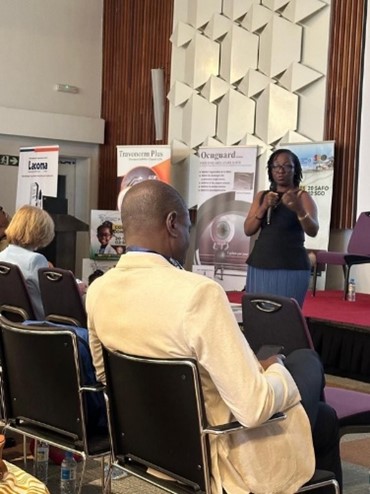
On December 4, during the SAFO conference, a symposium on retinoblastoma took place for 1 hour and 15 minutes.

Fatou Sylla and Laurence Desjardins moderated the session.

Nelly Fopoussi, Jenny Yanga, Joseph Ndiaye, and Adam Nouhou Diori presented the management of retinoblastoma in their respective departments and the beginnings of conservative treatment.

At the end of the session, a 6-year-old girl who had undergone enucleation in Bamako for retinoblastoma and was cured with a beautiful prosthesis came with her mother, who recounted her journey.

The room was full, and we had a lot of questions.

News from the AMCC RB Programme

Training in conservative treatments for retinoblastoma continues with two ophthalmologists from Angola who recently trained in Barcelona (Sant Joan de Déu Barcelona Hospital) in Prof. Jaume Catala's department.

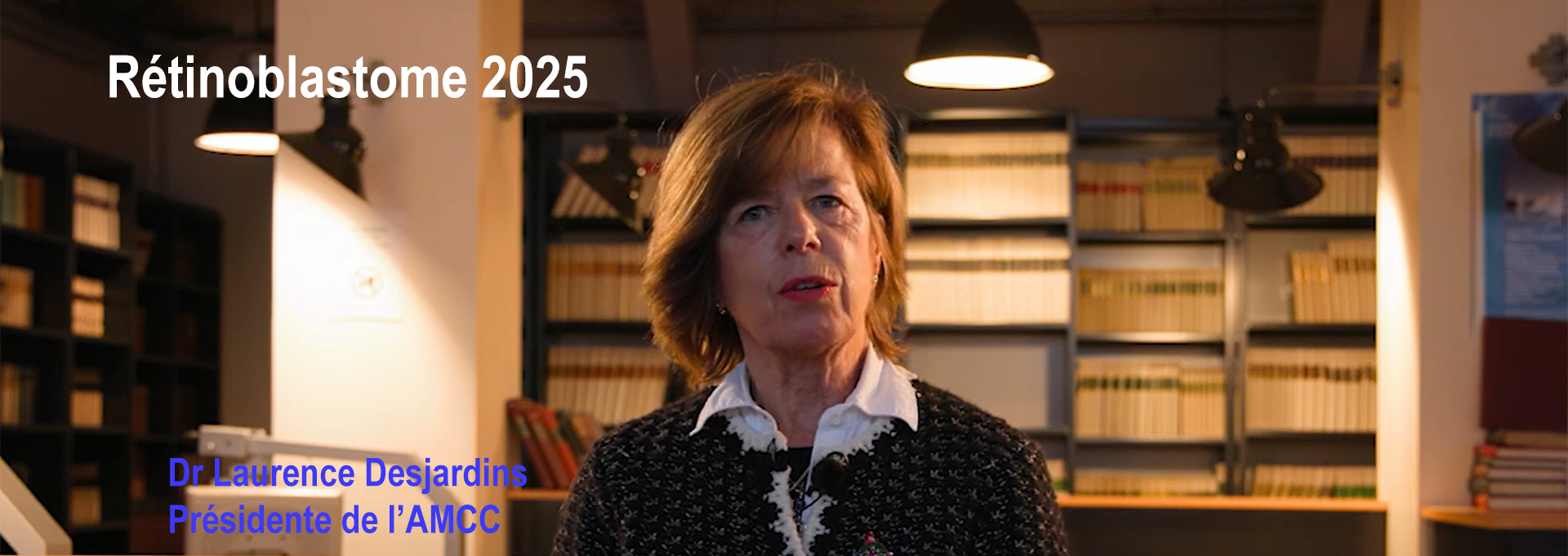
We would like to thank the Théa Foundation, which supports the AMCC in its training programmes and has produced a film documenting the AMCC's work on the retinoblastoma programme, which can be viewed by clicking on the image:

An ophthalmologist from northern Cameroon (Dr Nelly Fopoussi) has just completed her training in the management of retinoblastoma in Tel Aviv (Sheba Medical Centre) with Prof. Ido Didi Fabian.

To enable the trained teams to effectively treat children with retinoblastoma in their countries, a donation of equipment necessary for conservative treatment (diode laser, helmet and cryode) is already on its way to the teams in Luanda (Angola) and Cameroon.

The team in Abidjan, which had already been trained, has received its equipment, which was being repaired, and can now resume conservative treatment of children with RB instead of referring them to neighbouring countries.

In Ethiopia, Senegal and Niger, secondary centres are being set up to bring diagnostic and treatment centres as close as possible to patients and promote the earliest possible diagnosis.

The AMCC's RB programme has been the subject of an international publication, which can be viewed by clicking on the image:

Retinoblastoma Workshop – LIBREVILLE – 3 December 2024

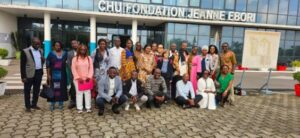
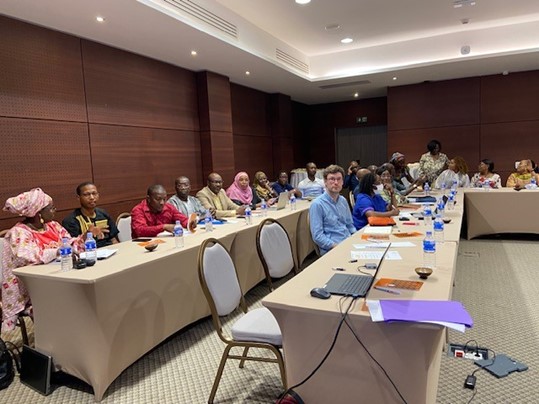
On December 3, 2024, the fourth workshop on retinoblastoma was held in Libreville with French-speaking teams, following Dakar in 2021, Kinshasa in 2022, and Abidjan in 2023.  The meeting was intended for French-speaking ophthalmologists from the AMCC network and took place at the Jeanne Ebori University Hospital in Libreville, on the eve of the SAFO congress.

RB experts from 11 French-speaking sub-Saharan African countries welcomed the achievements made with the support of the AMCC's RB program over the past five years.

The morning was filled with lively discussions.
We addressed issues relating to data collection and publications with the virtual presence of Dr. Bernard Asselain, a biostatistician who discussed the methodology for moving from data to publication. The AMCC strongly hopes that each team will be able to publish its results in the near future, as this is very important for national and international recognition and the support of potential sponsors.

The afternoon was devoted to early diagnosis programs, with a focus on the need to select affordable measures (in terms of both time and cost) and to repeat these measures every year. Informing parents via social media and the Know The Glow association will also be crucial.

The day ended with discussions about parent associations and all the other actions needed to ensure that local teams take ownership of the program and find the necessary support locally.

In a friendly atmosphere, the workshop was also an opportunity to share memorable moments with colleagues and long-time friends, and to meet and warmly welcome new players in the field of RB in French-speaking Africa.

This workshop was followed by the SAFO conference.

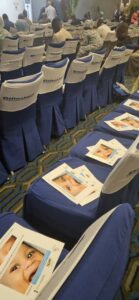
On Thursday afternoon, December 5, the retinoblastoma symposium took place, with this year's theme being conservative treatment experiences in bilateral forms of retinoblastoma. (Prof. Fatou Sylla, Prof. Joseph Ndiaye, Dr. Jenny Yanga, Dr. Adam Nouhou Diori, and Dr. Sandra Iye). The room was full, and there were several questions from the audience. Posters on the early signs of retinoblastoma were distributed to all conference participants.

Well done and thank you to all the speakers.

With our thanks to the organizers of SAFO – Libreville 2024.

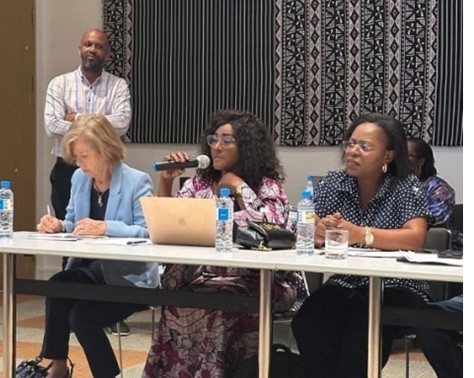
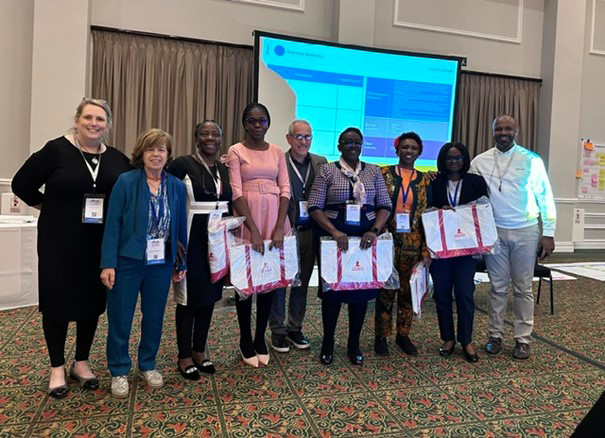
Retinoblastoma Workshop on June 4 and 5, 2024, prior to SIOP Africa in Johannesburg

The meeting was suggested by SIOP, organized and sponsored by AMCC (Karim Assani and Laurence Desjardins), Saint Judes (Susan Ybarra and Matt Wilson, with Nickhill Bhakta and Jacques Van Heerden also in attendance).

The visit by the ophthalmologists was also sponsored by the Eye Cancer Foundation.

The participation of ophthalmologists was remarkable, with English-, French-, and Portuguese-speaking teams (Kenya, Uganda, Ghana, Ethiopia, Nigeria, Ivory Coast, Senegal, Togo, Democratic Republic of Congo, Madagascar, Niger, Cameroon, and Mozambique).

A parallel meeting of pediatric oncologists specializing in leukemia was held, with a joint morning session featuring lectures on implementation science given by specialists from St. Jude: Caitlyn Duffy and Sheena Mukkada.

Several round tables brought together ophthalmologists to discuss issues related to setting up a multidisciplinary team and the therapeutic management of retinoblastoma. A course on conservative treatment by South African ophthalmologist Dr. Hamzah Mustak took place on June 5, as well as a course by Prof. Guillermo Chantada on the ARIA guidelines.

Practical work on implementation was carried out in groups of five to six ophthalmologists, identifying obstacles, defining strategies and techniques for evaluating results, with each team deciding on the issue that it considered to be the most significant obstacle.

Overall, participants greatly enjoyed the two days and left determined to solve their local problems!

The AMCC took advantage of this trip to meet with Dr. Nelly Fopoussi Kouamo, an ophthalmologist from northern Cameroon who sees around 20 new cases of retinoblastoma each year, as well as pediatric oncologists from Angola. Both teams would like to collaborate with the AMCC in the future.
We also met with the WCC (World Child Cancer) team, which works to improve childhood cancer care and with whom we could carry out joint initiatives.

AMCC Day – SAFO Congress 2023

The SAFO annual conference was held in Abidjan from December 6 to 8.

Before the start of the conference, a working day for the AMCC with the French-speaking teams was organized at the AZALAI hotel.

After Prof Fanny and Dr Desjardins welcomed the participants, the meeting addressed a variety of topics:

RB Program 2019-2028: where are we after almost five years -Prof Fousseyni Traoré 

9:35-9:45 a.m.: Raising awareness of early diagnosis of RB in Côte d’Ivoire: “30-second challenge” -Prof Rokia Bereté, Mr Jean Marie Kouamé

9:45-10:05 a.m.: Late diagnosis of RB: Research protocol on the causes of late diagnosis. -Prof Paule Aida Ndoye Roth

10:35-10:55 a.m.: RB in sub-Saharan Africa: strong involvement of ophthalmologists in multidisciplinary care as a key factor for success. -Prof Fatou Sylla

10:55-11:15 a.m.: Scientific publications on RB in sub-Saharan Africa: current situation, challenges, and opportunities. -Prof Vonor Kokou

11:15-11:45 a.m.: Continuation of the RB program after 2024: each country's vision for the next five years.Healthcare network, parents' association, relations with the Ministry of Health, early diagnosis, and publications -Dr Laurence Desjardins

11:45 a.m.-12:15 p.m.: Five-year RB project: the example of Senegal

2:00-2:45p.m.: Roundtable discussion on "the realities on the ground" of RB enucleation: reminder of its place in the treatment protocol and practical discussions. -Prof Paule Aida Ndoye

2:45-3:30p.m.: Conservative treatment of RB in sub-Saharan Africa: equipment, recruitment of eligible cases, and on-site support for new experts. What does the future hold for the AMCC network? -Dr Adam Diori

3:30-4:00 p.m.: Retino web conference: review since its implementation and thoughts on the future within the AMCC network. -Dr Laurence Desjardins

The next day began with the recording of 30-second challenge videos for the early diagnosis of retinoblastoma at the exhibition.

A prize for the best videos was awarded to the winners at the end of SAFO by Prof Fatou Sylla.

On December 6, a retinoblastoma symposium on healthcare networks was also held.

ISOO 2022 – Leiden – Netherlands – June 17–21, 2022

Retinoblastoma Day on June 18, 2022.

During this conference dedicated to ocular tumors, Dr Fatou Sylla, Dr Paule Aida Ndoye Roth, and Dr Vera Essuman had abstracts accepted for presentation on retinoblastoma day.

With the support of the AMCC and ISOO, Fatou Sylla and Paule Aida Ndoye Roth were able to attend in person. Unfortunately, Vera Essuman was unable to obtain a visa.

Fatou Sylla and Paule Aida gave oral presentations in English on two occasions.

The ophthalmologists of the ISOO greatly appreciated this and decided to hold the first African ISOO congress in Nairobi in 2025.

Drs Didi Fabian and Kahaki Kimani began laying the groundwork for the organization.

Meeting of French-speaking ophthalmologists and ocularists – Kinshasa – December 1, 2022

On December 1, 2022, a meeting was held in Kinshasa for all French-speaking ophthalmologists and ocularists involved in the AMCC retinoblastoma program.

This meeting took place at the Hôtel du Fleuve in Kinshasa, Democratic Republic of Congo, just before the start of the SAFO (Société Africaine Francophone d’Ophtalmologie) congress.

During this meeting, we discussed the current situation regarding ocular prostheses. Under the supervision of our prosthetist Allison Louvet from Paris, the prosthetists gathered at the university clinics, where they worked on Thursday and Friday and made prostheses for several children.

We then discussed the involvement of ophthalmologists in the successful and effective treatment of retinoblastoma, the research protocol planned for 2023 on a prospective study into the reasons for late diagnosis of retinoblastoma, the organization of post-treatment monitoring, life after retinoblastoma with testimonials from children who have been cured, early diagnosis actions and programs, data recording in Redcap, and finally conservative treatment and participation in web conferences.

Short videos were recorded of ophthalmologists talking about the early signs of retinoblastoma, which were then shared on social media in different countries.

On Friday, we presented a symposium on retinoblastoma to all SAFO ophthalmologists.

Thanks to Karim Assani and Pierre Bey for organizing this meeting, and to all participants for their active presence and involvement.

Karim Assani, Jenny Yanga, and I then went to Lubumbashi.

On Monday morning, December 5, we met with Professor Gaby Chenge and Dr. Sandra Iye in the operating room of the Lubumbashi University Clinics and were able to examine three children under general anesthesia. One of the children underwent laser treatment for retinoblastoma, which is currently being treated. The cryode was almost operational, but the connection tip needs to be replaced. Thus, the first conservative treatment of retinoblastoma in the Democratic Republic of Congo was performed on December 5, 2022, at the Lubumbashi University Clinics.

Thank you to the entire ophthalmology team and the anesthesiologists.

ISOO Africa 2023

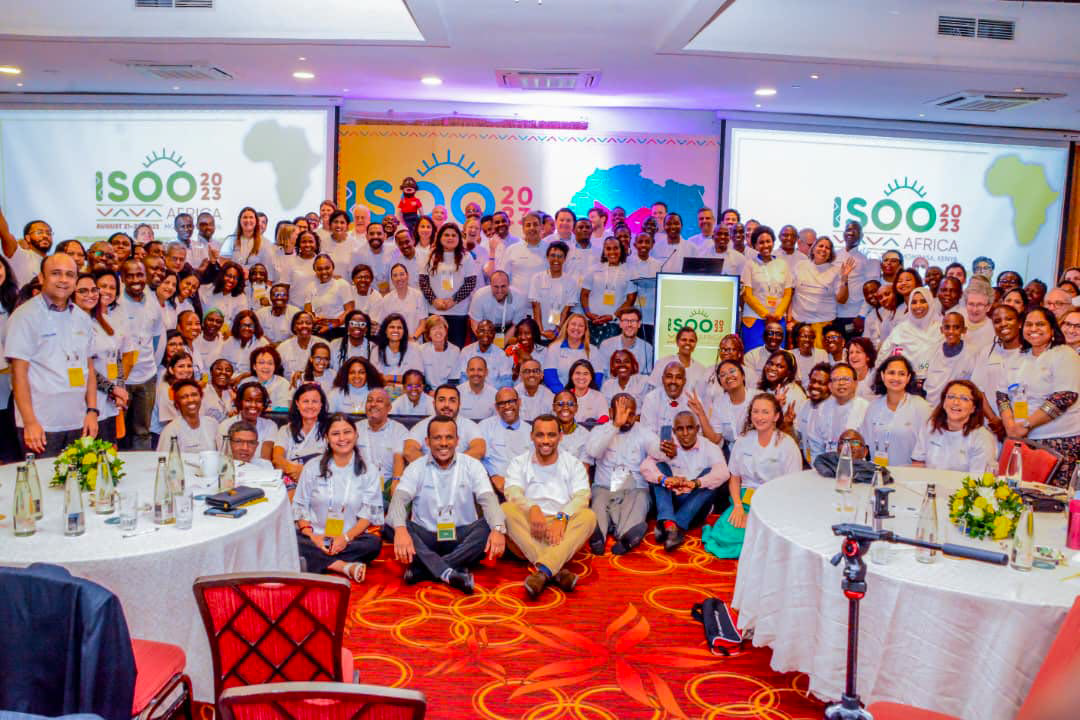
From August 21 to 23, 2023, the first ISOO congress on African soil was held in Mombasa, Kenya.

This conference, organized by Didi Fabian, Kahaki Kimani, and Laurence Desjardins, enabled many African ophthalmologists and pediatric oncologists to present the current state of retinoblastoma care and discuss current treatments with colleagues from the ISOO.

The event was a huge success, with more than 30 African countries participating, thanks to the support of the AMCC, Saint Jude, Retinostop, the Eye Cancer Foundation, Sheba Global, the Aslan Project, Know the Glow, One Retinoblastoma World, etc.

You can view the proceedings of this conference by clicking on ISOO Africa 2023.