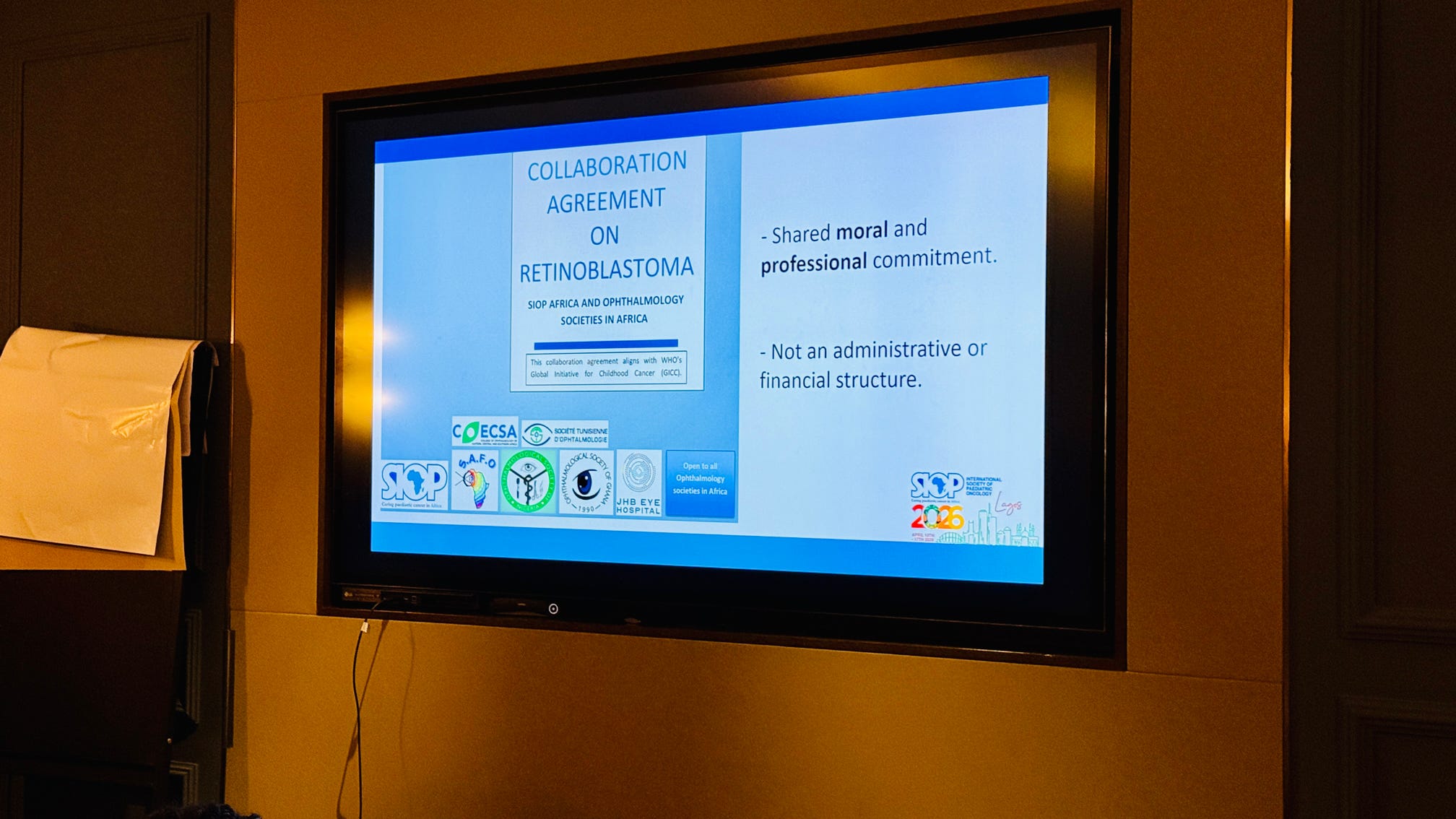
Retinoblastoma: a landmark agreement between SIOP Africa and ophthalmology societies, supported by the AMCC
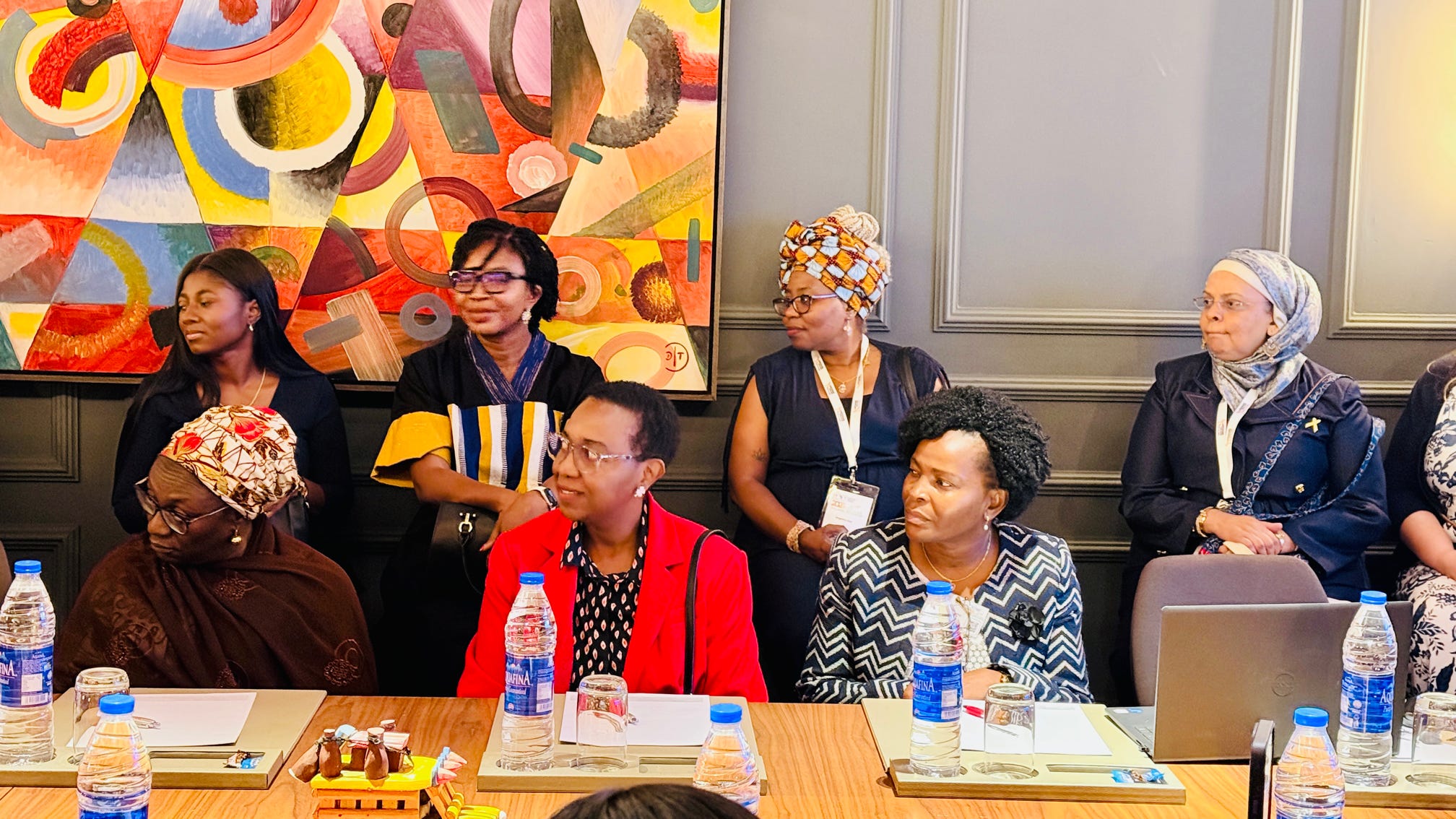
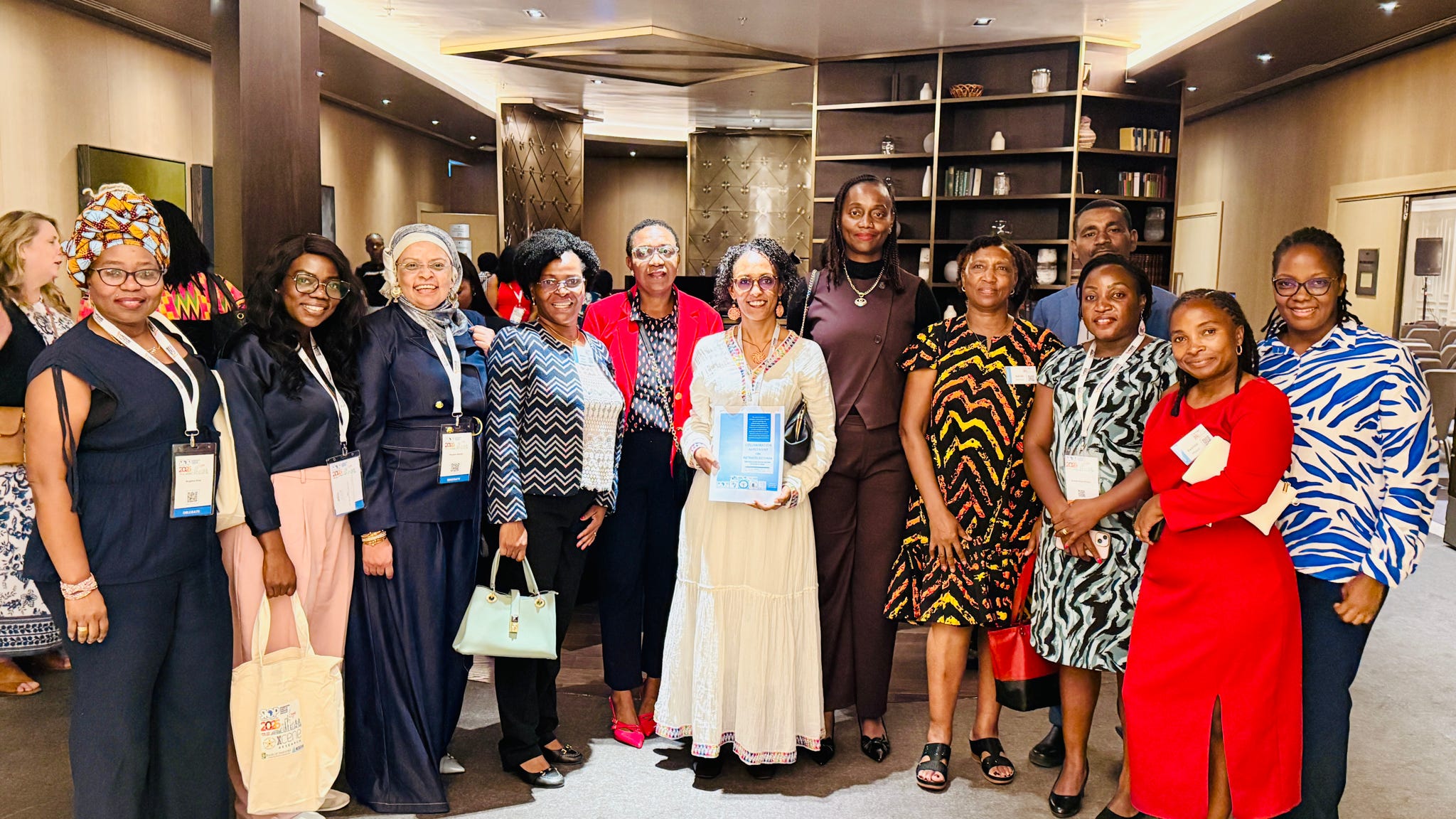
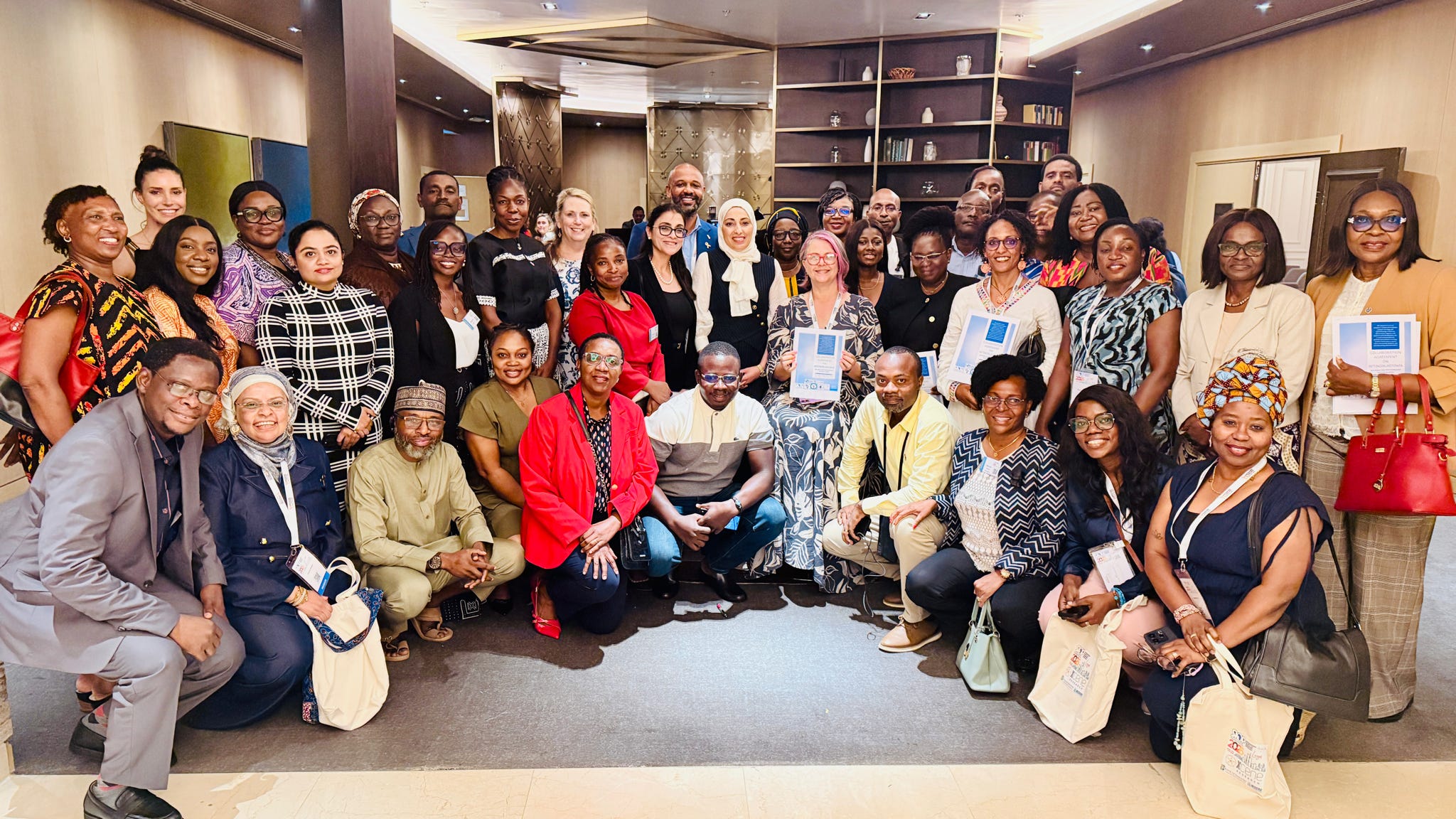
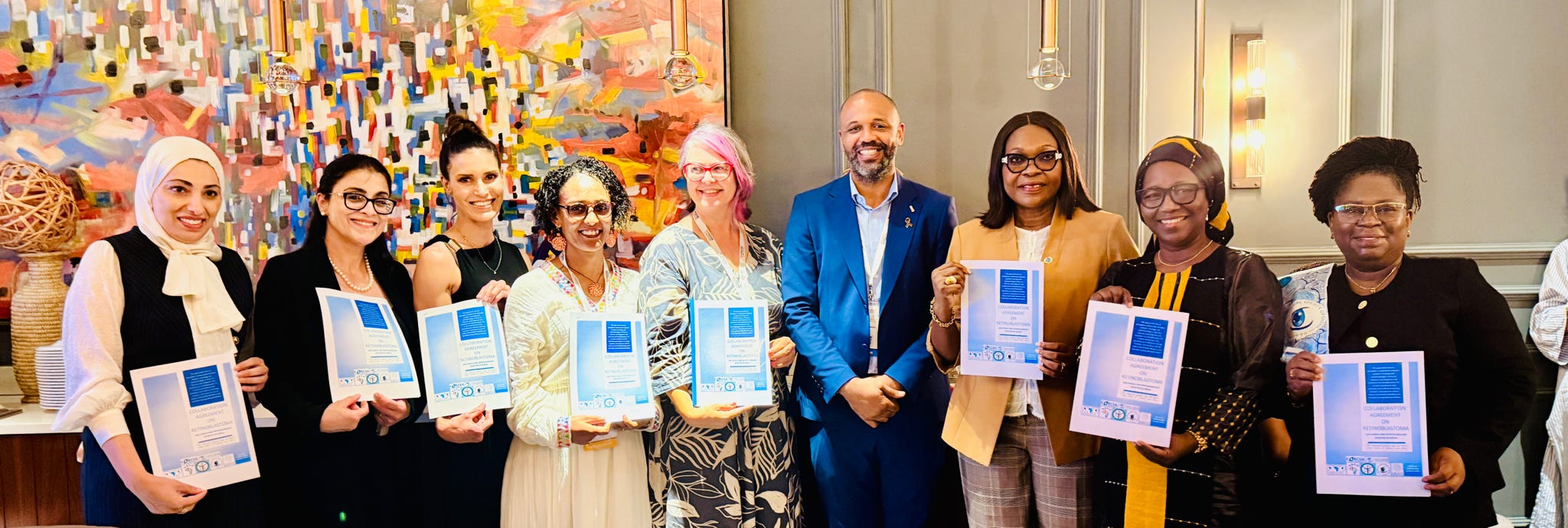
As part of its advocacy work in the fight against retinoblastoma, the Alliance Mondiale Contre le Cancer (AMCC) is delighted to have supported the signing of a collaboration agreement between SIOP Africa and the ophthalmology learned societies representing 27 African countries, during the 16th Biennial Congress of the International Society for Paediatric Oncology Africa (SIOP Africa), held from 13 to 17 April 2026 in Lagos, Nigeria.
Held under the theme ‘Building collaborative networks for paediatric oncology across Africa’, the Lagos congress brought together clinicians, researchers, decision-makers, survivors and partners from across the continent and beyond. The signing of this agreement is a concrete illustration of its ambition: to make collaboration across disciplines, institutions and borders the driving force behind progress for Africa’s children. The involvement of ophthalmologists is indeed essential, both for the diagnosis and treatment of retinoblastoma. It is all the more crucial as early diagnosis – the frequency of which is constantly increasing – becomes more widespread.
This agreement marks a significant step forward in strengthening collaboration between specialists in ophthalmology and paediatric oncology in Africa, with a view to accelerating the implementation of the World Health Organisation’s Global Initiative for Childhood Cancer (GICC).
Launched in 2018, the GICC aims to increase the survival rate of children with cancer worldwide to at least 60 per cent by 2030. It focuses on six priority ‘sentinel’ cancers that are highly curable, including retinoblastoma. Its inclusion is no coincidence: it was selected precisely because it requires close collaboration between ophthalmologists and oncologists to ensure early diagnosis. If detected in time, it can save the child’s life and, in many cases, preserve their eye and vision. Whilst retinoblastoma is curable in almost all cases in high-income countries, survival rates remain very uneven in Africa, where late diagnosis is still common. It is this gap that the strengthened cooperation between the two specialities aims to bridge.
The AMCC commends the leadership and commitment of all the partners who have contributed to this major breakthrough for every child with retinoblastoma in Africa. This agreement builds on the work carried out by the AMCC since 2011, which currently supports 32 multidisciplinary teams in 23 countries, with a target of a 70 per cent ten-year cure rate. By bringing together, on a sustainable basis, the two specialities essential to the management of retinoblastoma, this collaboration lays another brick in the construction of an African network capable of offering every child the same chances of recovery, wherever they are born.